The Art of Suggestion: Communicating Visual Complexity Through Minimalism
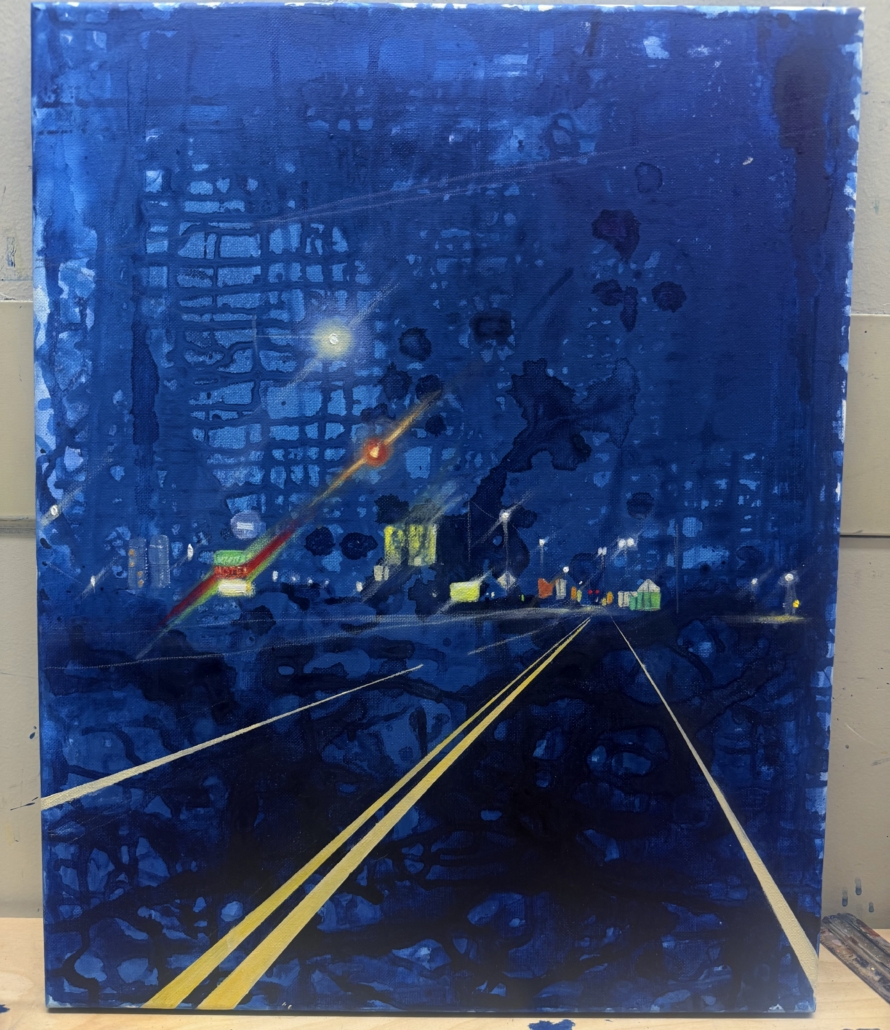
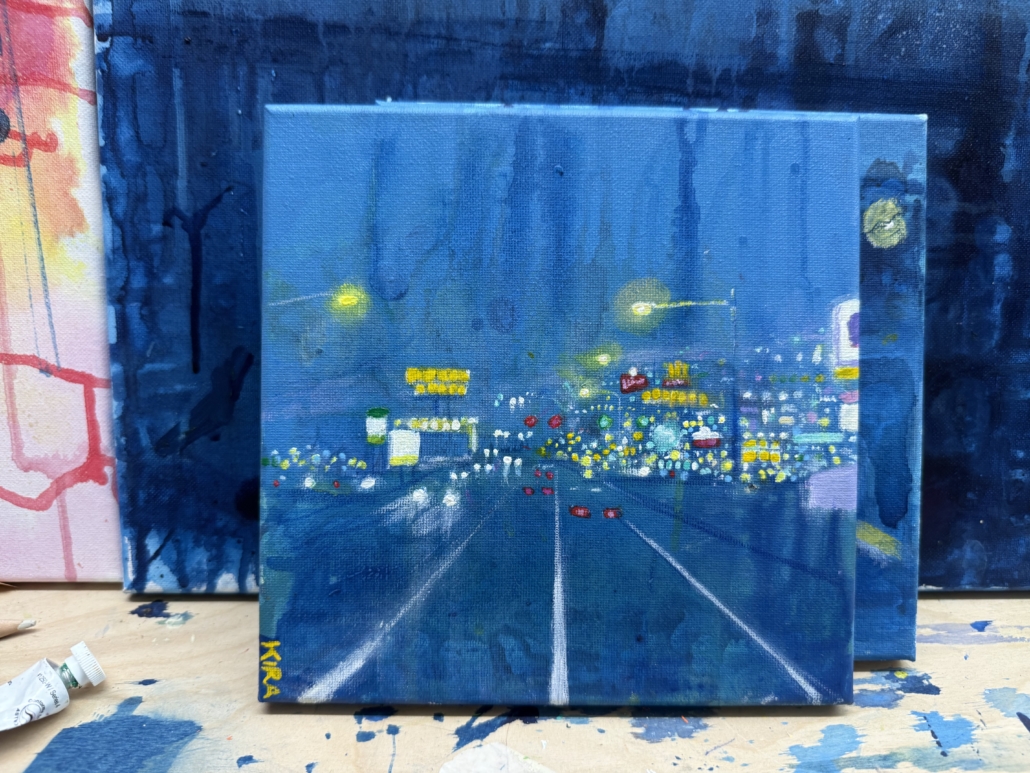
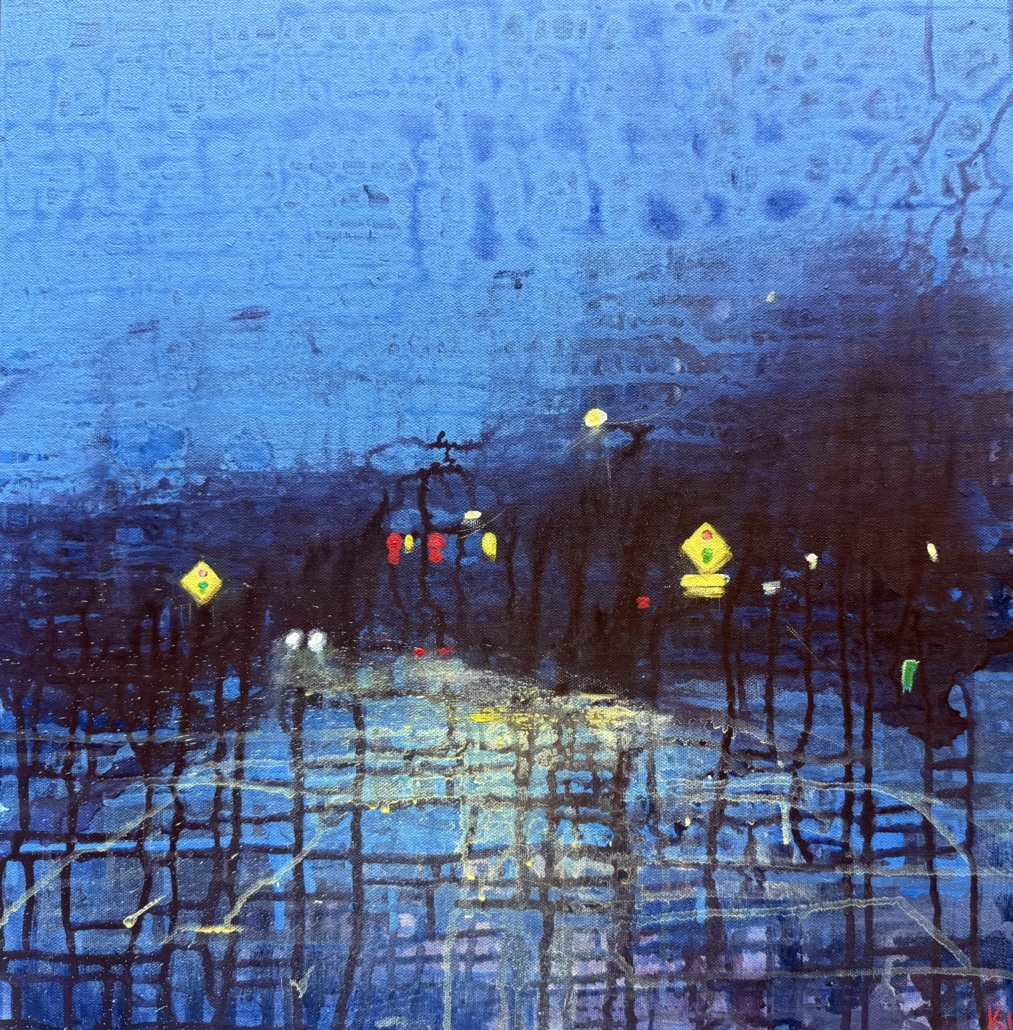
How do we depict the world in a way that communicates its vast richness, nuance, and detail without overwhelming the viewer or sacrificing aesthetic appeal? This is a question I return to often in my studio practice as a visual artist, especially when working in acrylic and exploring American industrial and roadside landscapes.
As artists, we are constantly negotiating between clarity and chaos. Our visual world is intricate, full of layered textures, shifting light, and endless information. Yet in art, more isn’t always more. A canvas cluttered with detail can quickly become noisy, distracting, or even uninviting. So the question becomes: how can we express complexity while preserving beauty and balance?
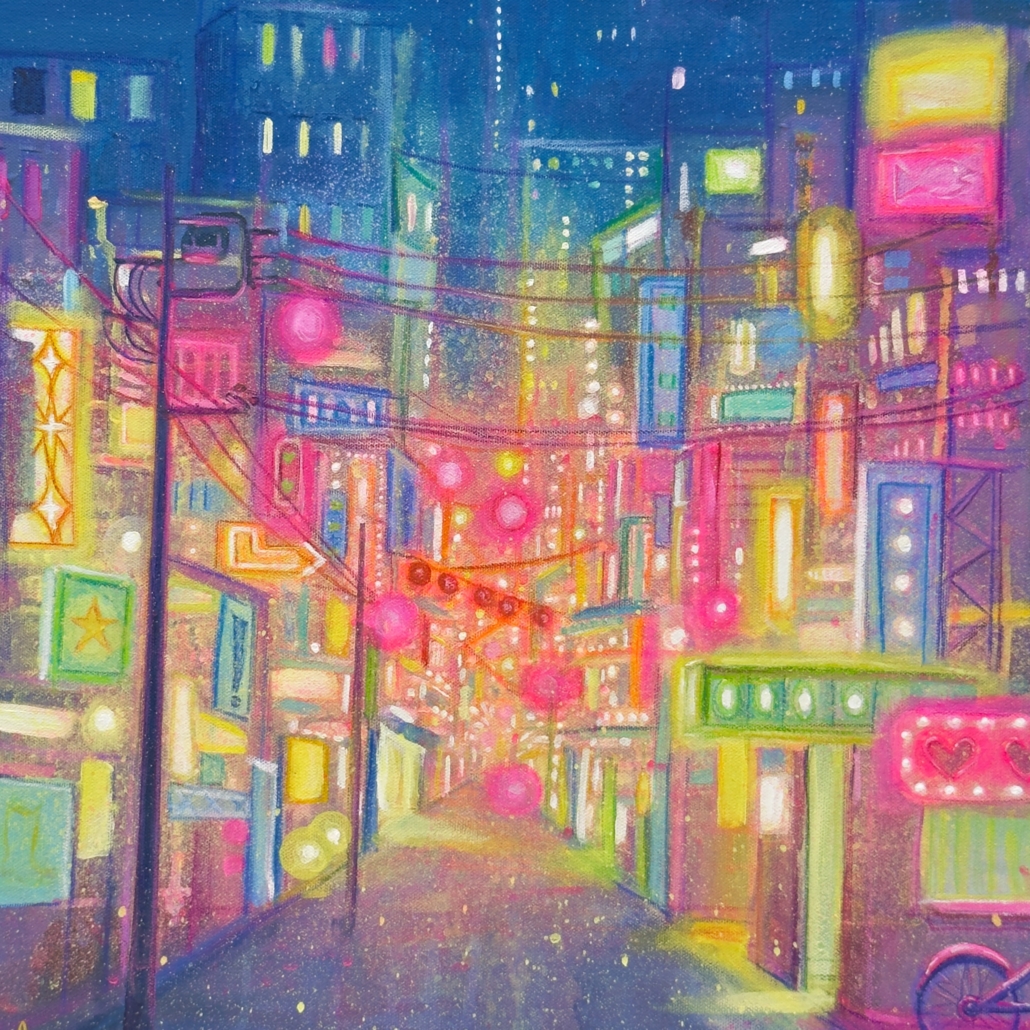
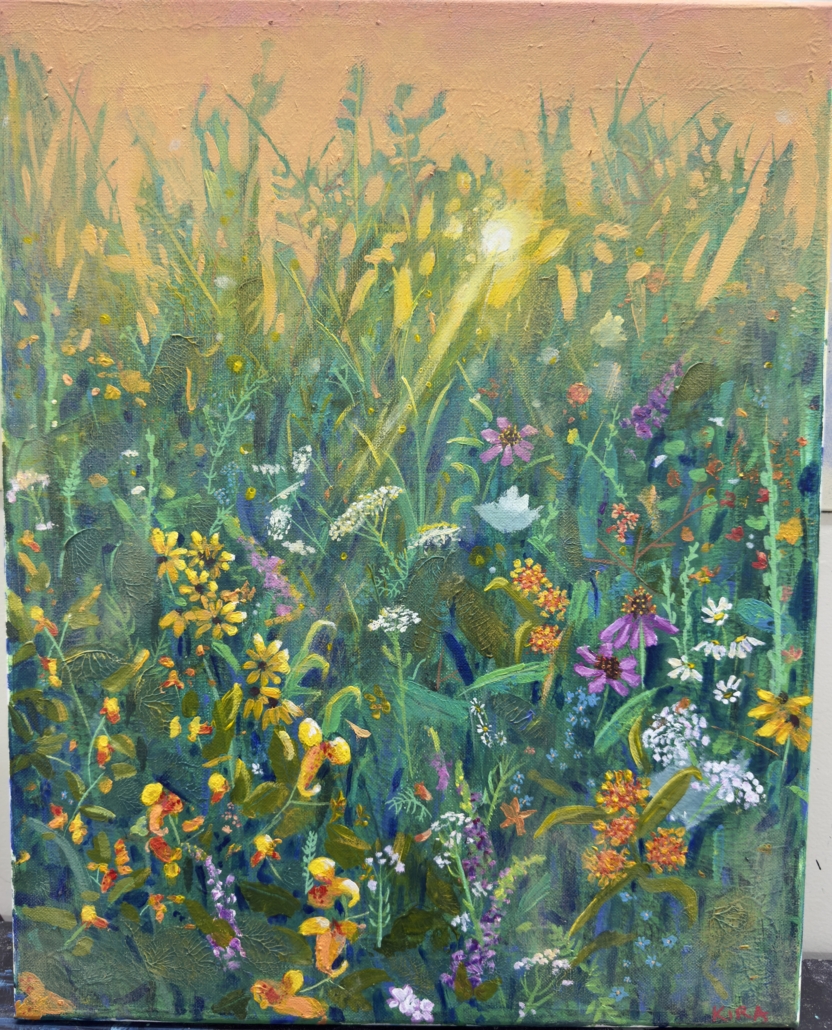
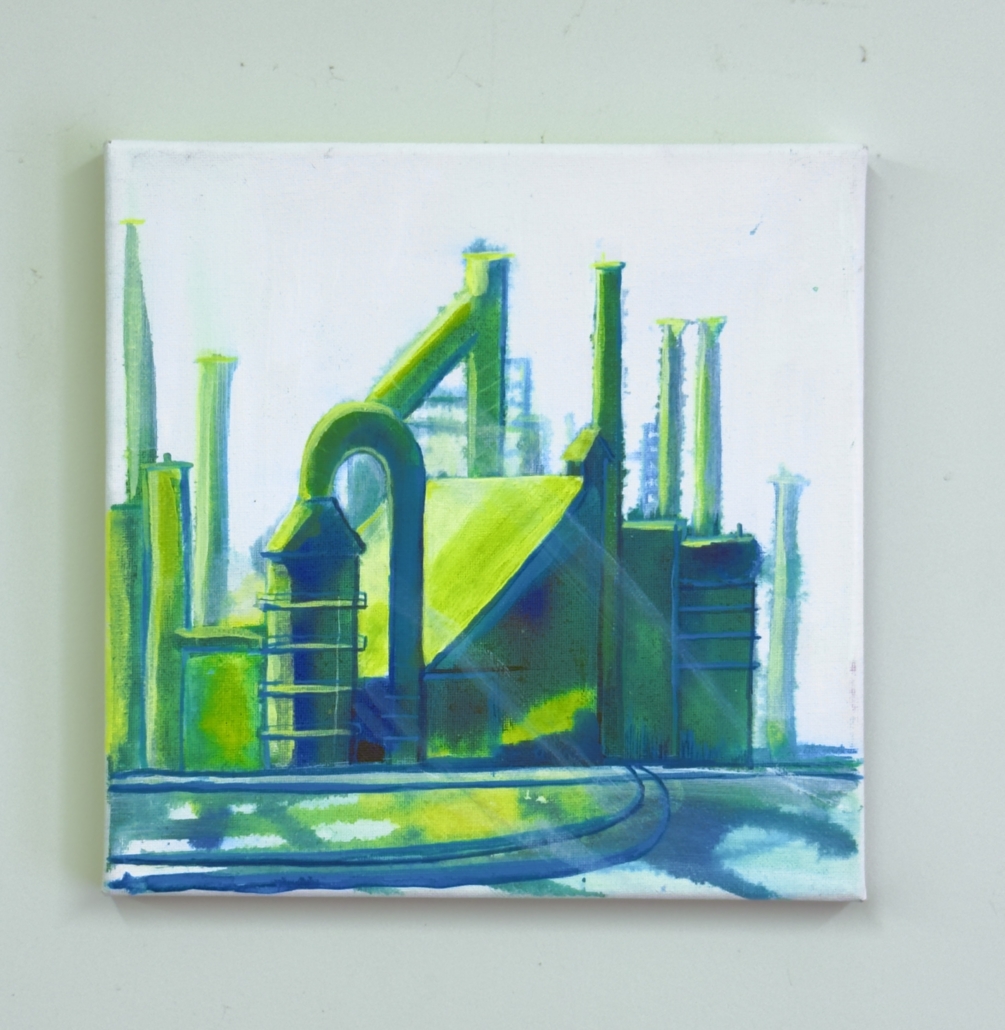
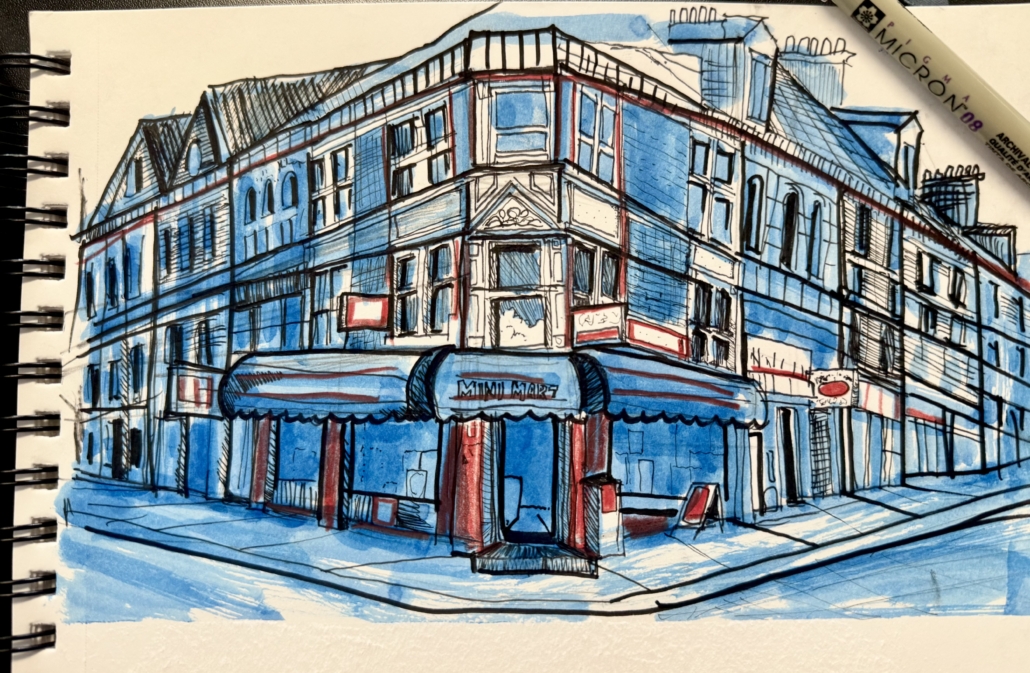
Lately, I’ve been exploring this through the power of minimalism in painting. Not minimalism in the strict, traditional sense, but rather the idea of evoking more with less. I’m interested in how the human mind fills in the blanks, completing implied shapes and textures with its natural tendency toward gestalt perception; the psychological phenomenon that leads us to see patterns, wholes, and connections even when only fragments are present.
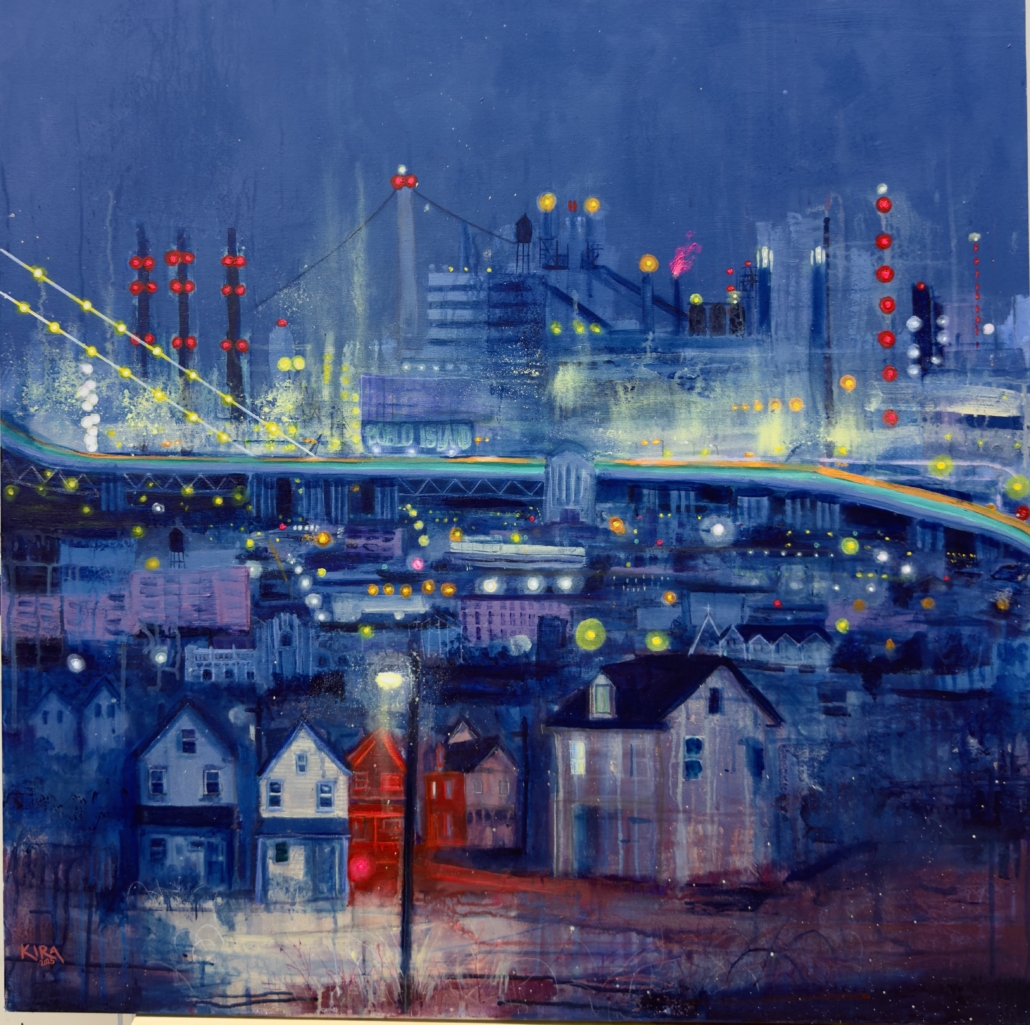
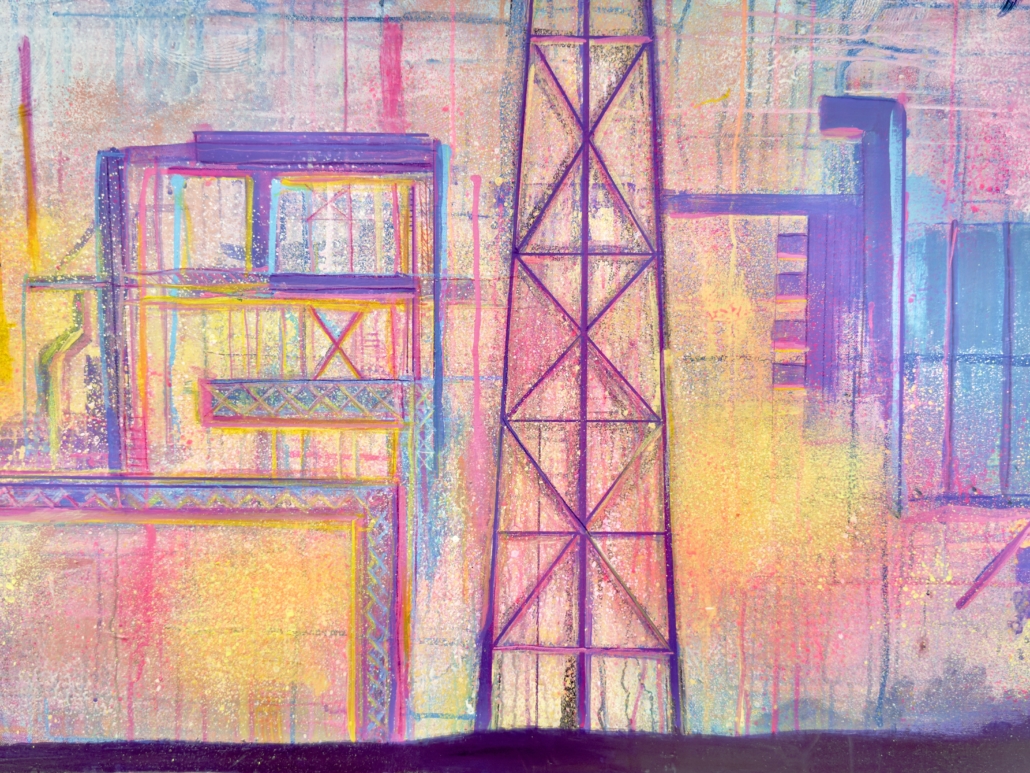
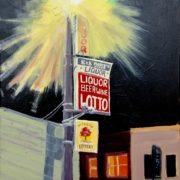
In practical terms, this means working with suggestion and illusion. It means allowing negative space to speak. It means painting a weathered building or a distant highway sign with a few confident marks instead of rendering every crack and rust stain in photographic detail. It’s about trusting the viewer and the medium to do some of the heavy lifting.
This process has opened new doors in my work. It challenges me to think not just about what I see, but what I want others to see. What is essential in a composition? What can be left out to make what remains even more powerful?
The result is work that feels both grounded and open, rooted in real landscapes and memory, but abstracted just enough to invite interpretation. I want to leave room for nostalgia, imagination, and the viewer’s personal experience to come into play.
Whether I’m painting rusted water towers, factory rooftops, or the glow of neon signs along a lonely stretch of road, I’m not just depicting objects. I’m invoking a feeling. A sense of place. A fleeting memory. And I’m learning that you don’t need to spell everything out for people to feel it deeply.