
New Tech Meets Old Techniques
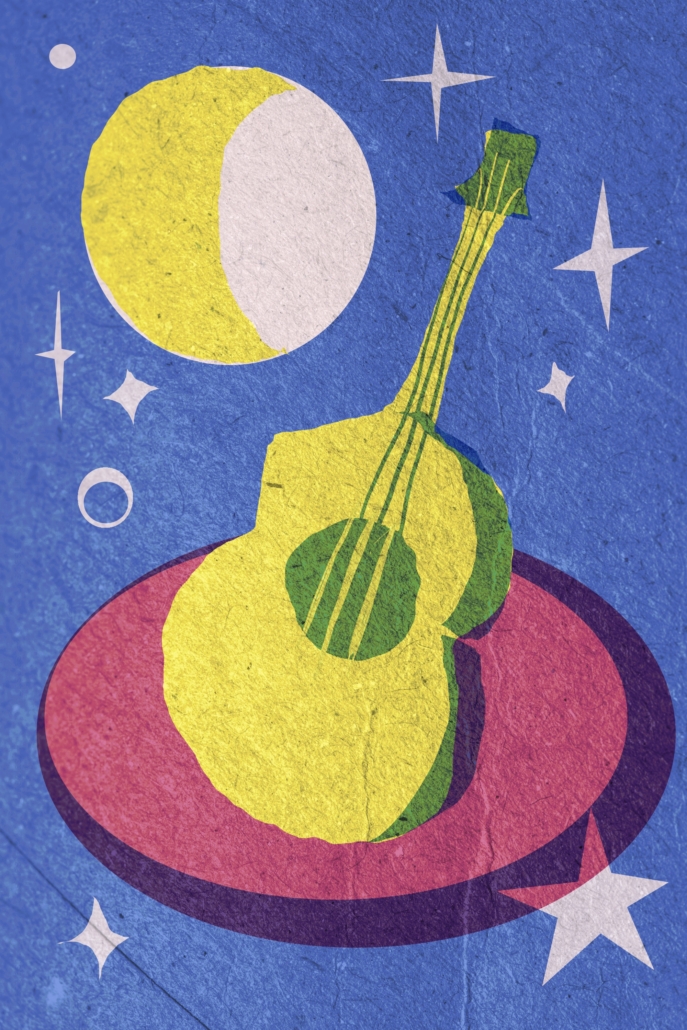
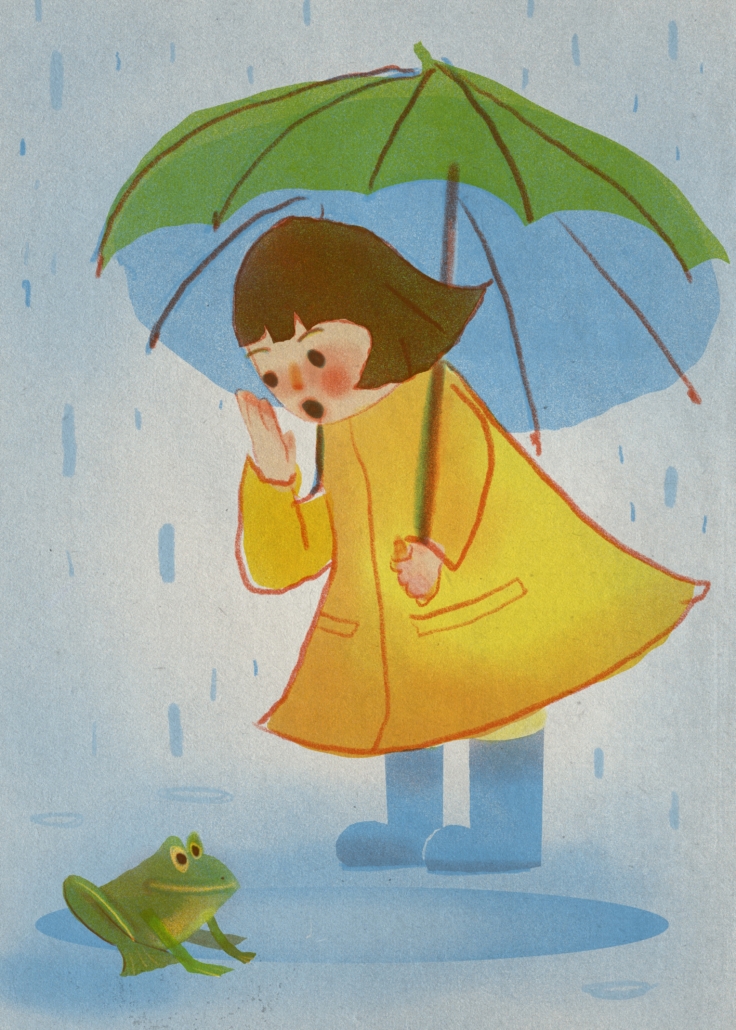
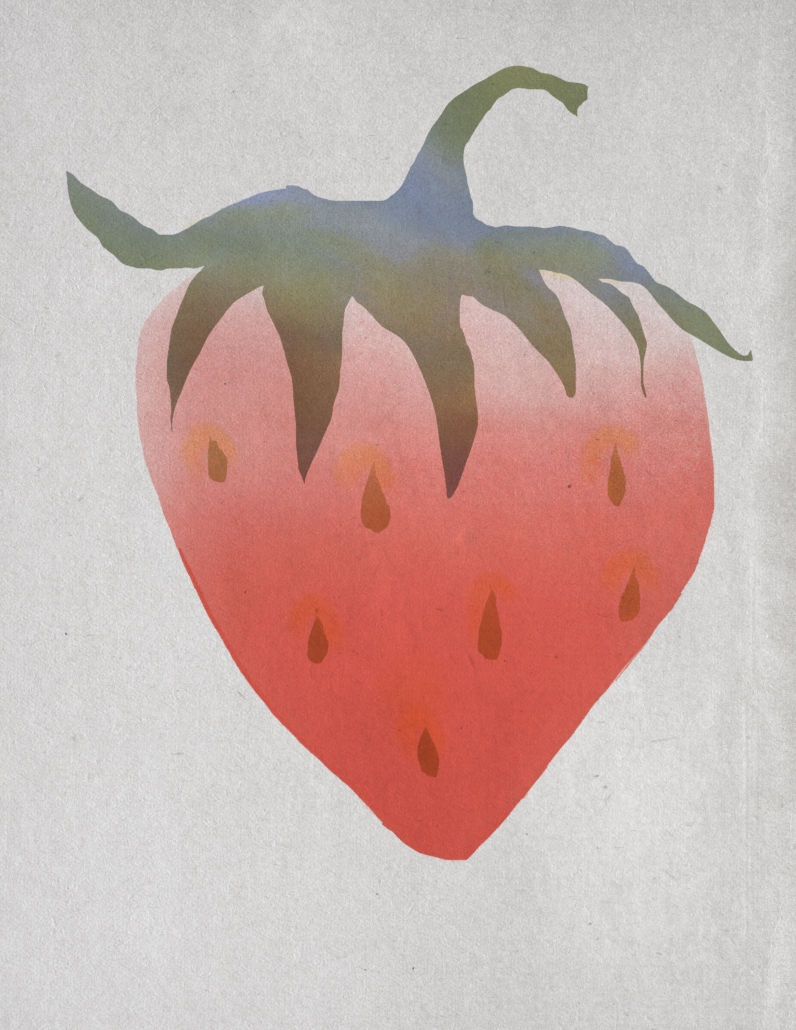
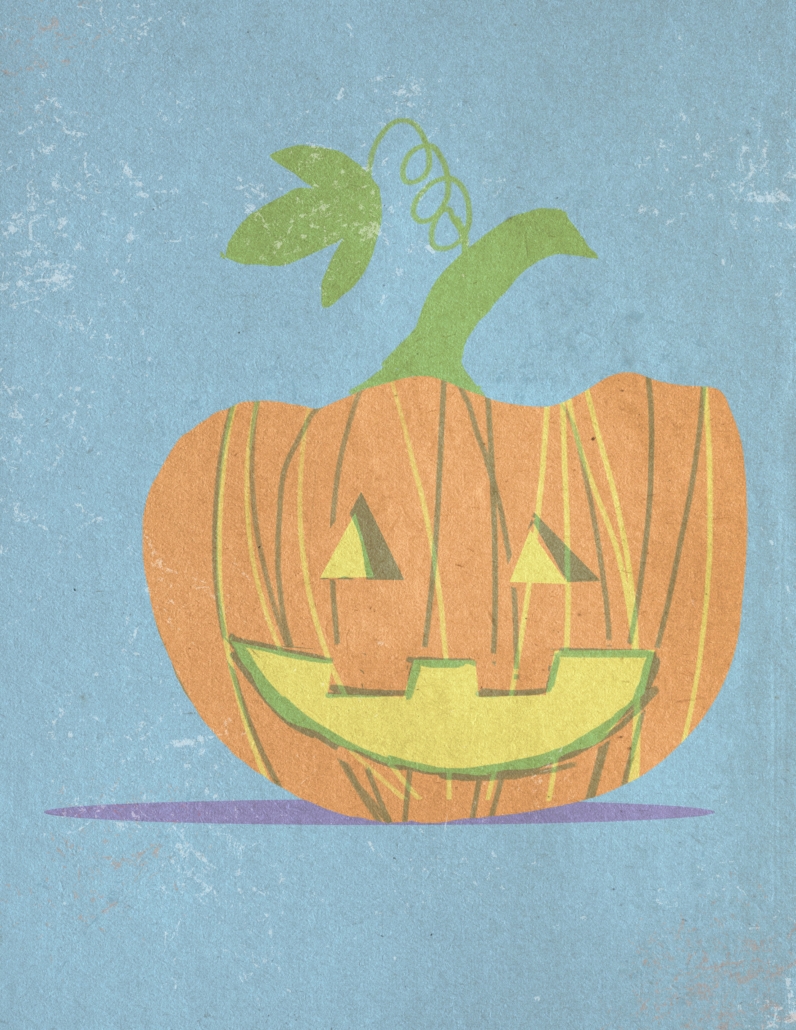
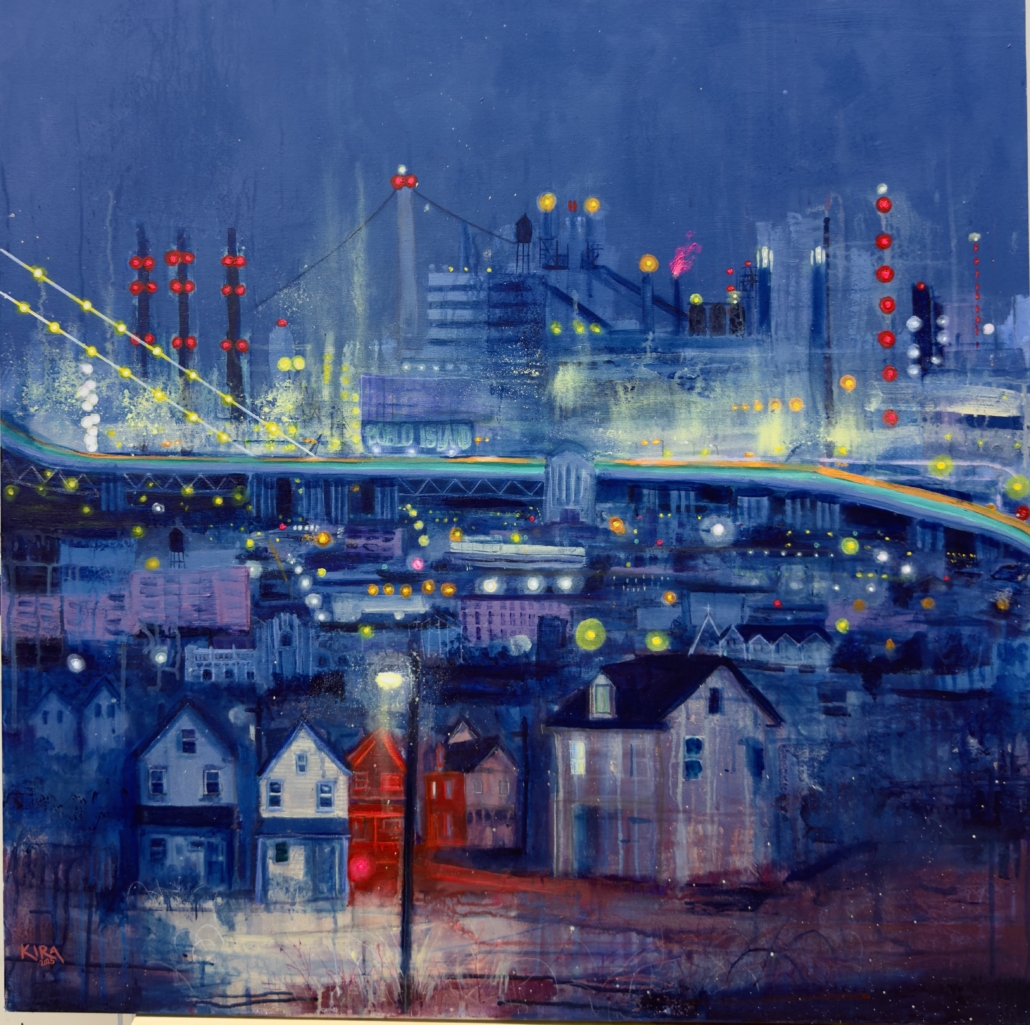
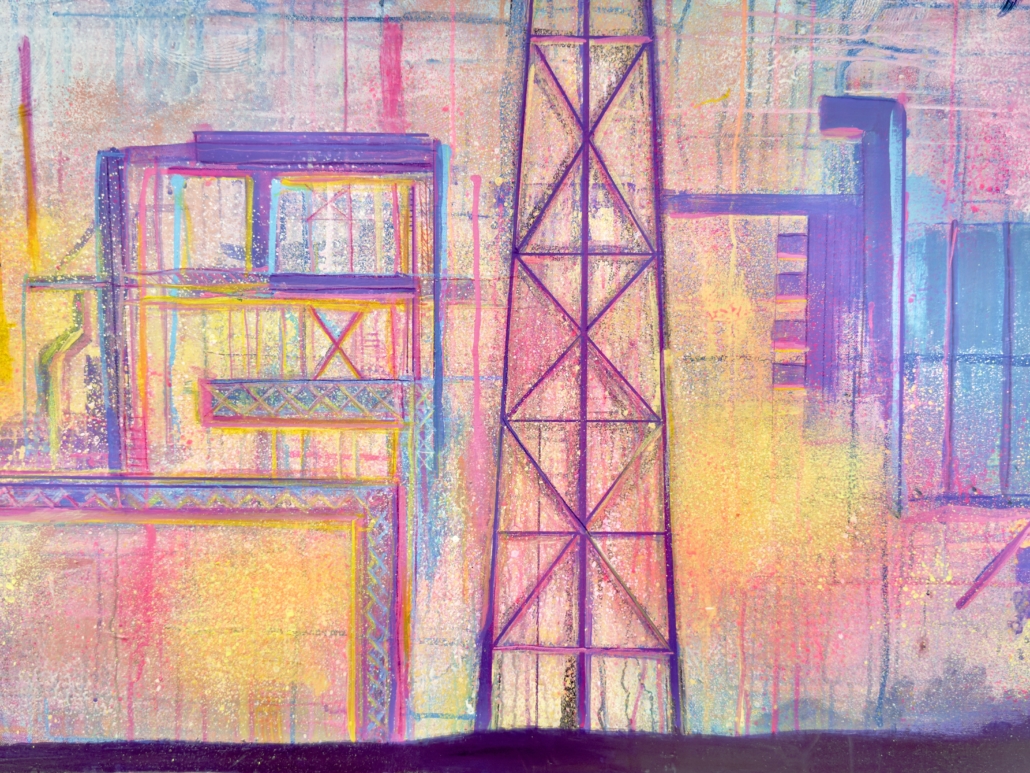
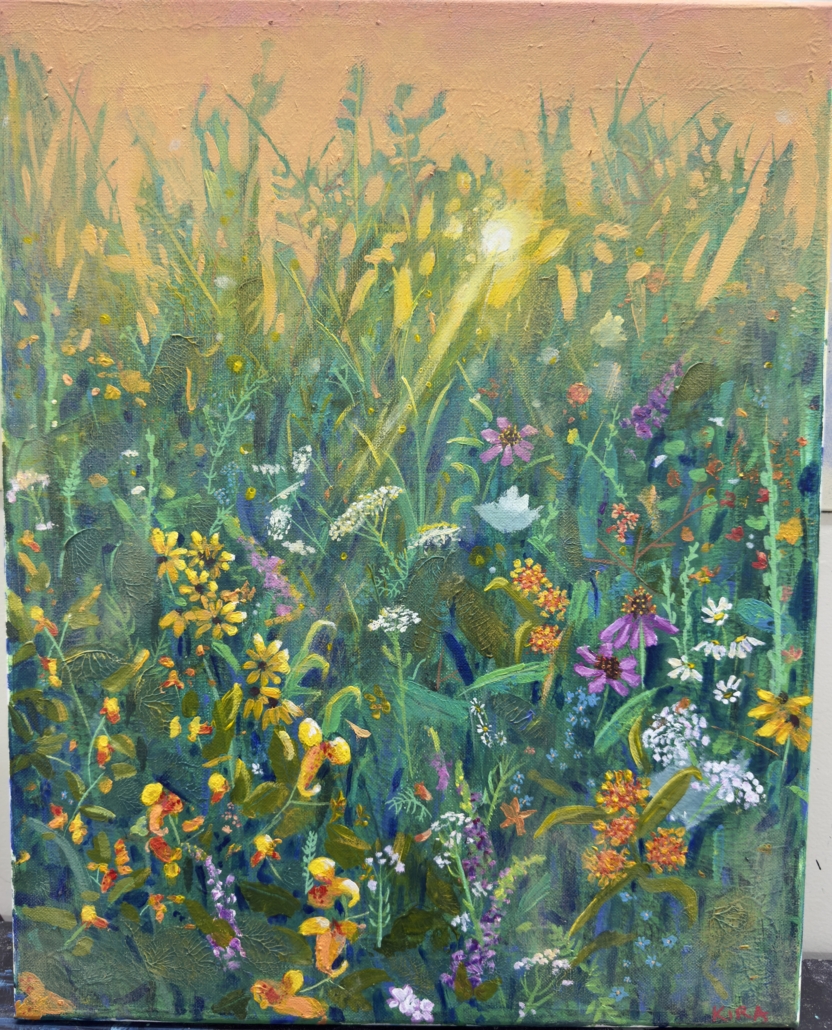
The renewed interest in midcentury design and vintage illustration isn’t just about nostalgia. It speaks to the lasting power of visual language and the way older styles can feel surprisingly fresh in today’s digital culture. One style that has captured a lot of attention is the risograph aesthetic. Once tied to the quirks of duplicator machines, it has now been reimagined by a new wave of artists who are using digital tools like Procreate to bring it into the present.
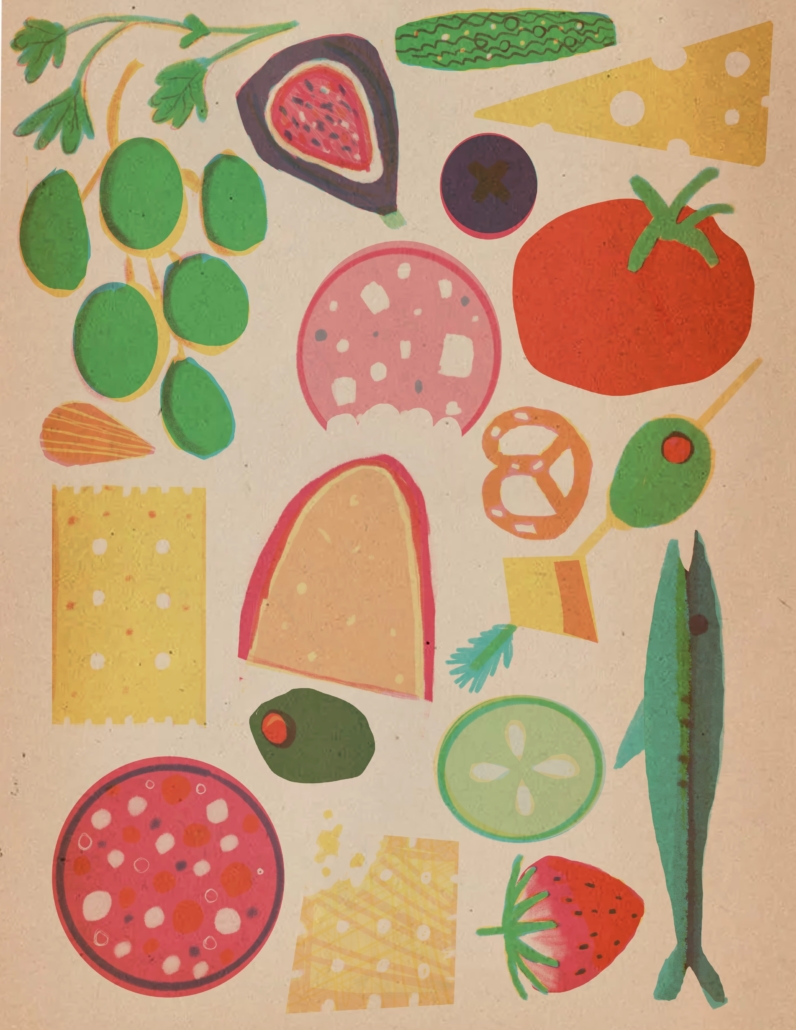
What makes this blend of old and new so appealing? A big part of it comes from the balance between restraint and vibrancy. The risograph look is known for bold overlays of limited color palettes, ink textures that feel imperfect in just the right way, and a handmade warmth that digital art often lacks. When those qualities meet the midcentury love of clean geometry, playful abstraction, and simplified forms, the results feel both modern and timeless.
To understand why this style continues to resonate, it helps to look back at the artists who shaped it in the first place. Mary Blair, who redefined color and form at Disney, showed how bold shapes and palettes could spark imagination. Charley Harper, famous for his “minimal realism,” distilled the natural world into flat planes and sharp edges while still keeping a sense of playfulness. Saul Bass, with his unforgettable film posters and title sequences, proved that simple graphic forms could tell complex stories. Their work created a visual language that remains influential to this day.
Today, illustrators working in Procreate can recreate many of these qualities with ease. Specialized brushes mimic the granular textures of ink, while color palettes recall the warm oranges, muted teals, and soft ochres that defined midcentury design. Even though the software was built for clean, pixel-perfect results, many artists use it to replicate the charming imperfections of hand-printed work.
Part of the appeal comes from what this style represents. In a digital world filled with polished, hyper-real visuals, risograph-inspired illustration offers something more human. Its limited palettes feel intentional and calming. Its imperfections feel authentic. And its connection to midcentury optimism gives it a sense of creative experimentation that still feels inspiring.
Blending these vintage influences with today’s technology allows artists to extend the conversation started by Blair, Harper, and Bass. The work might appear on Instagram, in a zine, or as a digital print rather than in a midcentury magazine or poster campaign, but the goal is the same. It’s about communicating ideas and emotions through form, color, and suggestion in ways that are both engaging and approachable.
For collectors, designers, and art lovers, this isn’t just retro charm. It shows how design languages adapt and evolve while holding on to their core ideas. Risograph style and midcentury-inspired illustration remind us that beauty can come from limitation, clarity can come from reduction, and even in the digital era, people are still drawn to the warmth of the handmade.