
Out in the Wet
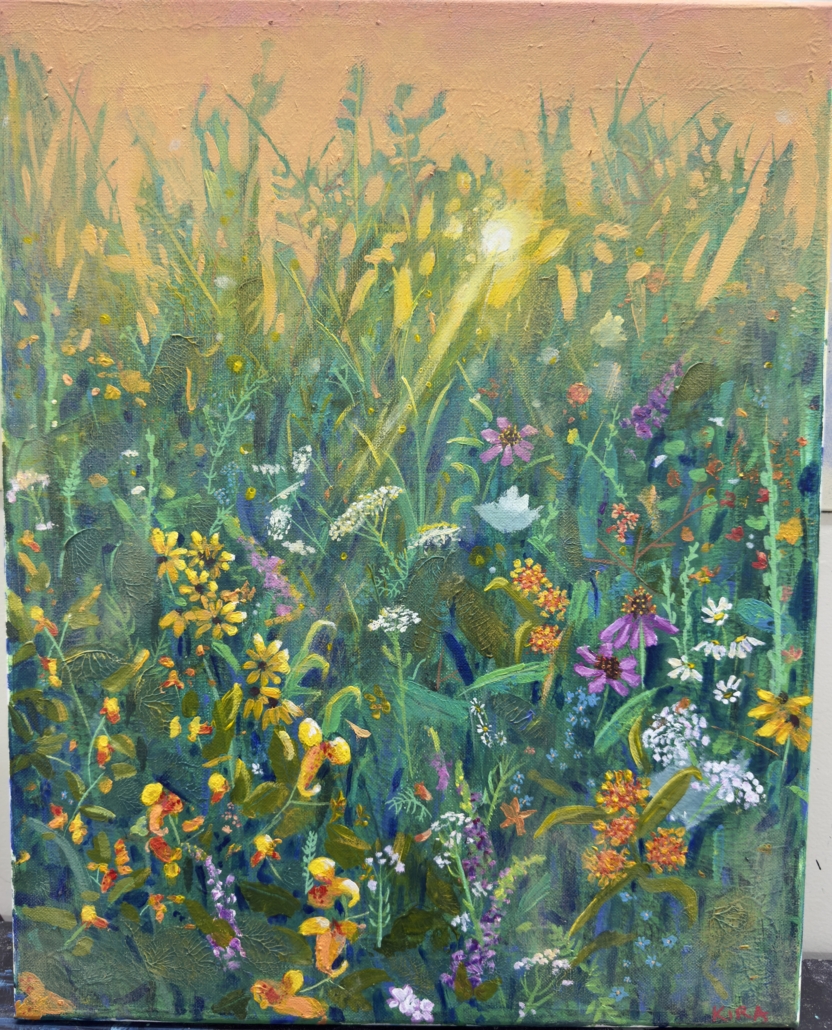
There is a particular kind of stillness that inhabits a summer morning in the wetlands of Michigan. The air is thick with humidity, fragrant with loam and plant life, and alive with the quiet activity of native flora and fauna. In these moments, one might notice the orange blossoms of jewelweed nodding beside golden black-eyed Susans, while insects hover and birds call across the water’s edge.
These spaces are neither grand nor manicured. They are complex, subtle, and often overlooked. Yet for those who spend time observing them, wetlands reveal themselves as among the most ecologically rich environments in our region. They serve as natural filters for our waterways, buffering pollutants, slowing floodwaters, and sustaining an astonishing range of species: from amphibians to migrating birds to beneficial insects.
It is precisely because of their modest, functional beauty that wetlands are so vulnerable to neglect and degradation. The slow accumulation of pollutants—runoff from roads, lawn chemicals, improperly managed waste—often goes unnoticed until the damage is difficult to reverse. Unlike more dramatic environmental crises, the deterioration of wetlands happens quietly. It happens when we stop paying attention.
As an artist, I return to these landscapes not only for their visual inspiration but also for the sense of presence they demand. To paint wildflowers thriving along a mucky shoreline is to honor a form of resilience that does not ask for recognition. Yet these places are not infinite. They require a degree of stewardship that begins with awareness.
When we understand that clean water begins not at the tap, but in the quality of the soil and plants upstream, we begin to see wetlands not as wastelands, but as vital infrastructure. Their preservation is not a political position; it is a matter of public health, ecological literacy, and interdependence.
This painting, inspired by a humid morning walk through a native wetland, is both a tribute and a gesture of concern. It invites the viewer to look more closely—to witness the jewelweed and black-eyed Susans not just as symbols of summer, but as indicators of a living system worth protecting.
Whether through supporting local conservation groups, reducing our use of harmful chemicals, or simply becoming more curious about the wild corners of our landscape, we all have a role to play in maintaining the integrity of Michigan’s waterways.
What we notice, we begin to care for. And what we care for, we preserve.