
Tag Archive for: americana

New Tech Meets Old Techniques

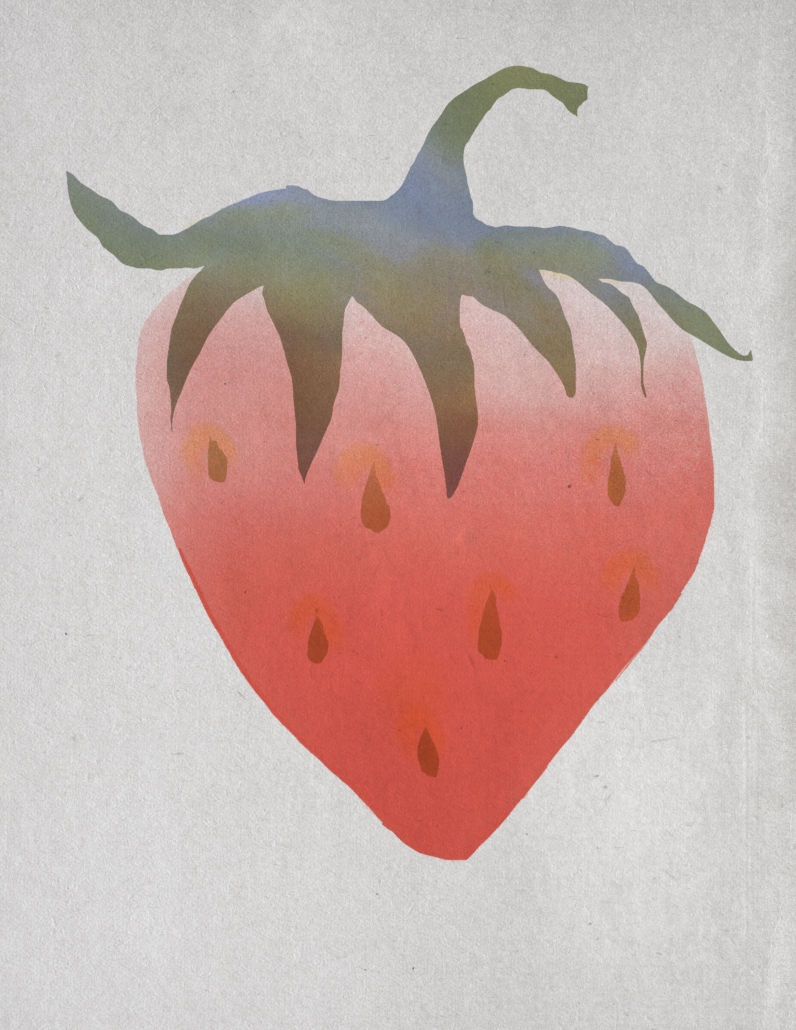
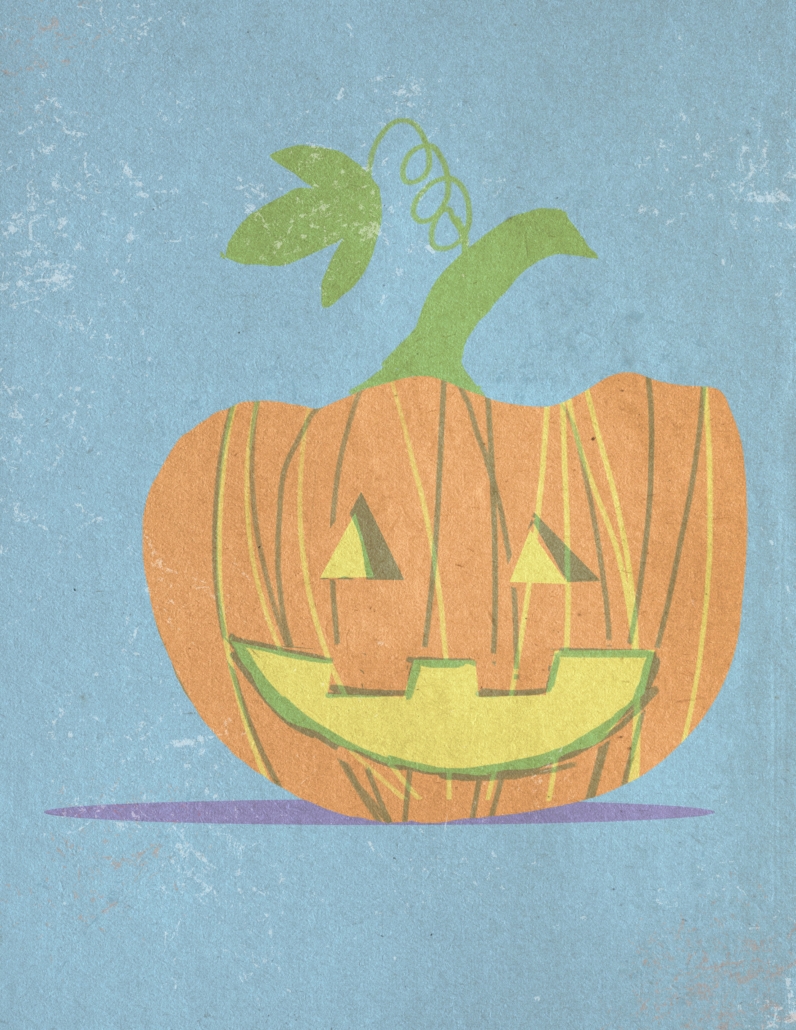
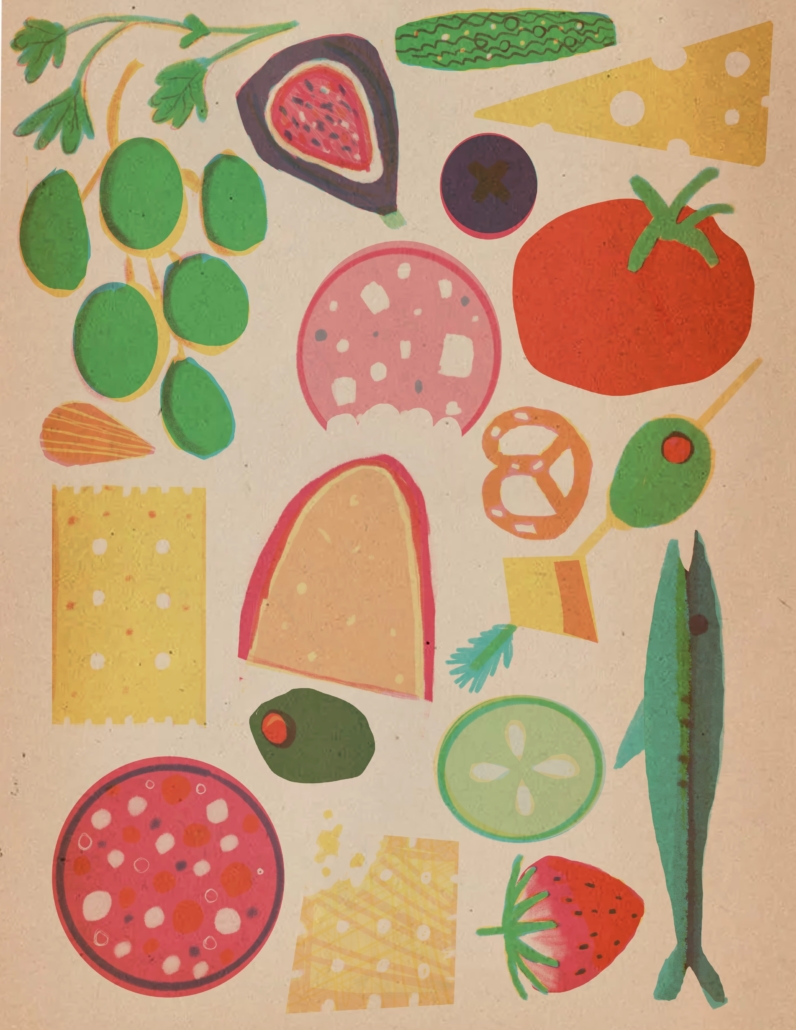
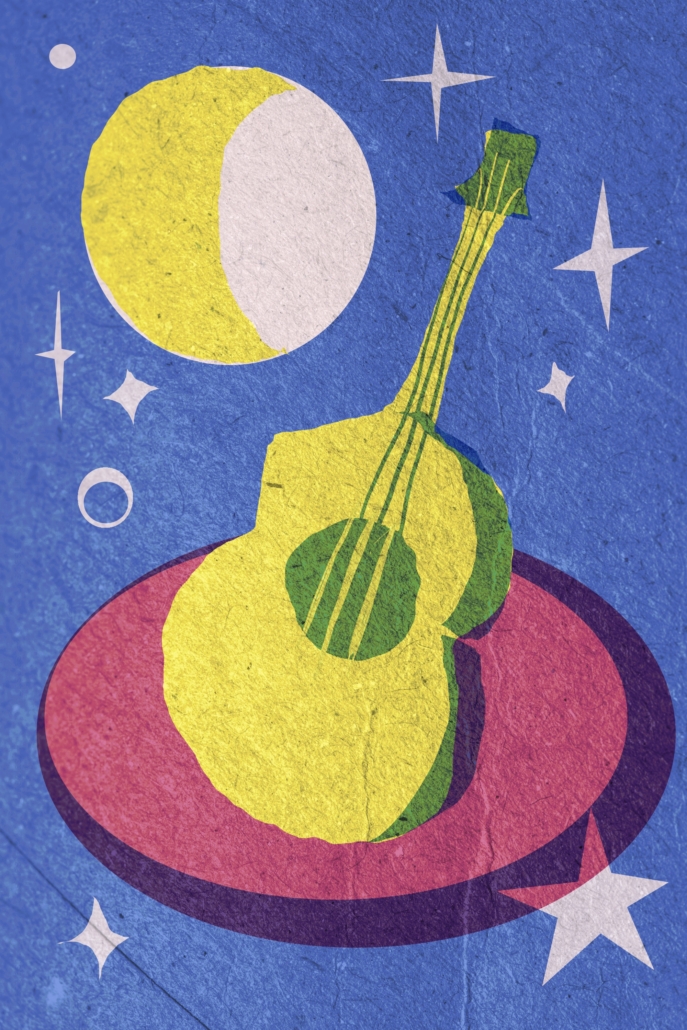
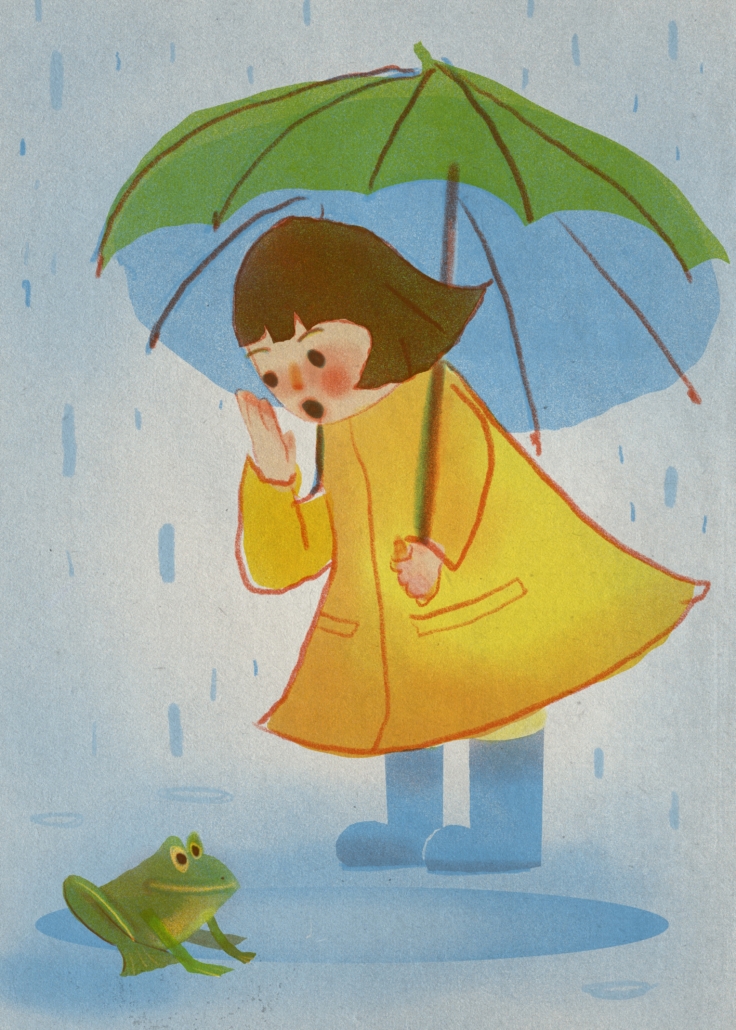
The renewed interest in midcentury design and vintage illustration isn’t just about nostalgia. It speaks to the lasting power of visual language and the way older styles can feel surprisingly fresh in today’s digital culture. One style that has captured a lot of attention is the risograph aesthetic. Once tied to the quirks of duplicator machines, it has now been reimagined by a new wave of artists who are using digital tools like Procreate to bring it into the present.

What makes this blend of old and new so appealing? A big part of it comes from the balance between restraint and vibrancy. The risograph look is known for bold overlays of limited color palettes, ink textures that feel imperfect in just the right way, and a handmade warmth that digital art often lacks. When those qualities meet the midcentury love of clean geometry, playful abstraction, and simplified forms, the results feel both modern and timeless.

To understand why this style continues to resonate, it helps to look back at the artists who shaped it in the first place. Mary Blair, who redefined color and form at Disney, showed how bold shapes and palettes could spark imagination. Charley Harper, famous for his “minimal realism,” distilled the natural world into flat planes and sharp edges while still keeping a sense of playfulness. Saul Bass, with his unforgettable film posters and title sequences, proved that simple graphic forms could tell complex stories. Their work created a visual language that remains influential to this day.

Today, illustrators working in Procreate can recreate many of these qualities with ease. Specialized brushes mimic the granular textures of ink, while color palettes recall the warm oranges, muted teals, and soft ochres that defined midcentury design. Even though the software was built for clean, pixel-perfect results, many artists use it to replicate the charming imperfections of hand-printed work.

Part of the appeal comes from what this style represents. In a digital world filled with polished, hyper-real visuals, risograph-inspired illustration offers something more human. Its limited palettes feel intentional and calming. Its imperfections feel authentic. And its connection to midcentury optimism gives it a sense of creative experimentation that still feels inspiring.

Blending these vintage influences with today’s technology allows artists to extend the conversation started by Blair, Harper, and Bass. The work might appear on Instagram, in a zine, or as a digital print rather than in a midcentury magazine or poster campaign, but the goal is the same. It’s about communicating ideas and emotions through form, color, and suggestion in ways that are both engaging and approachable.

For collectors, designers, and art lovers, this isn’t just retro charm. It shows how design languages adapt and evolve while holding on to their core ideas. Risograph style and midcentury-inspired illustration remind us that beauty can come from limitation, clarity can come from reduction, and even in the digital era, people are still drawn to the warmth of the handmade.
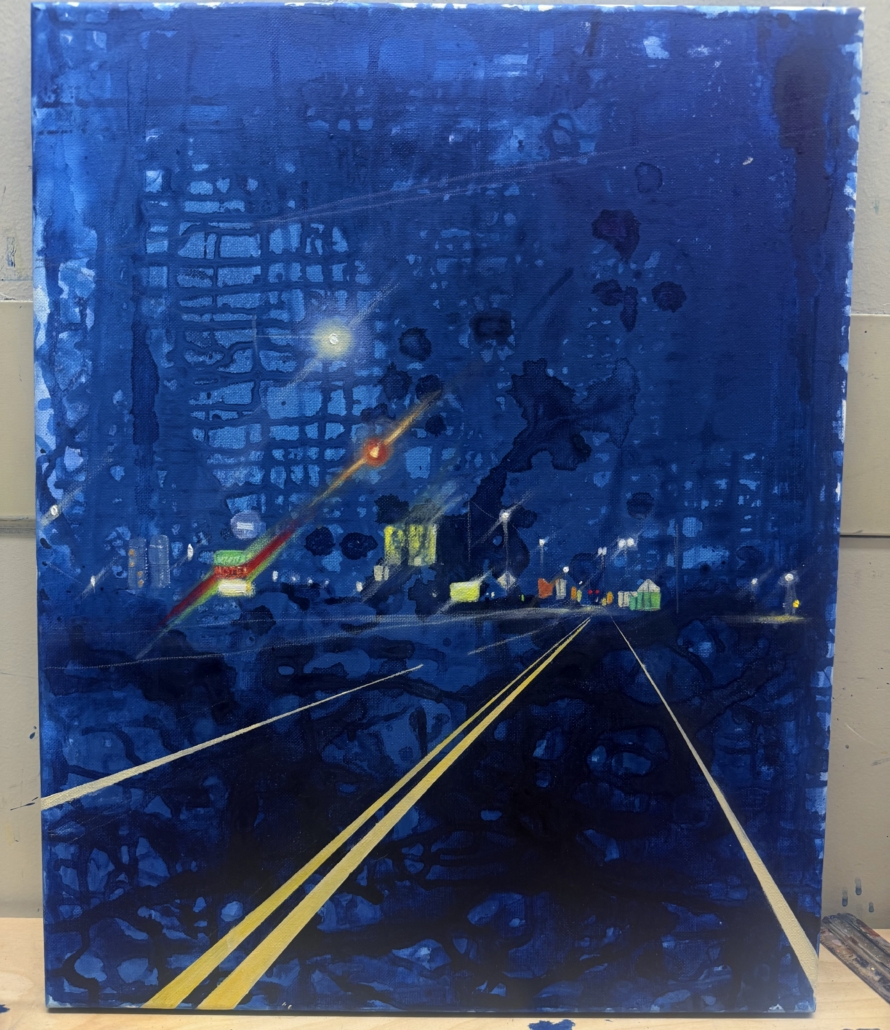
Behind the Painting:

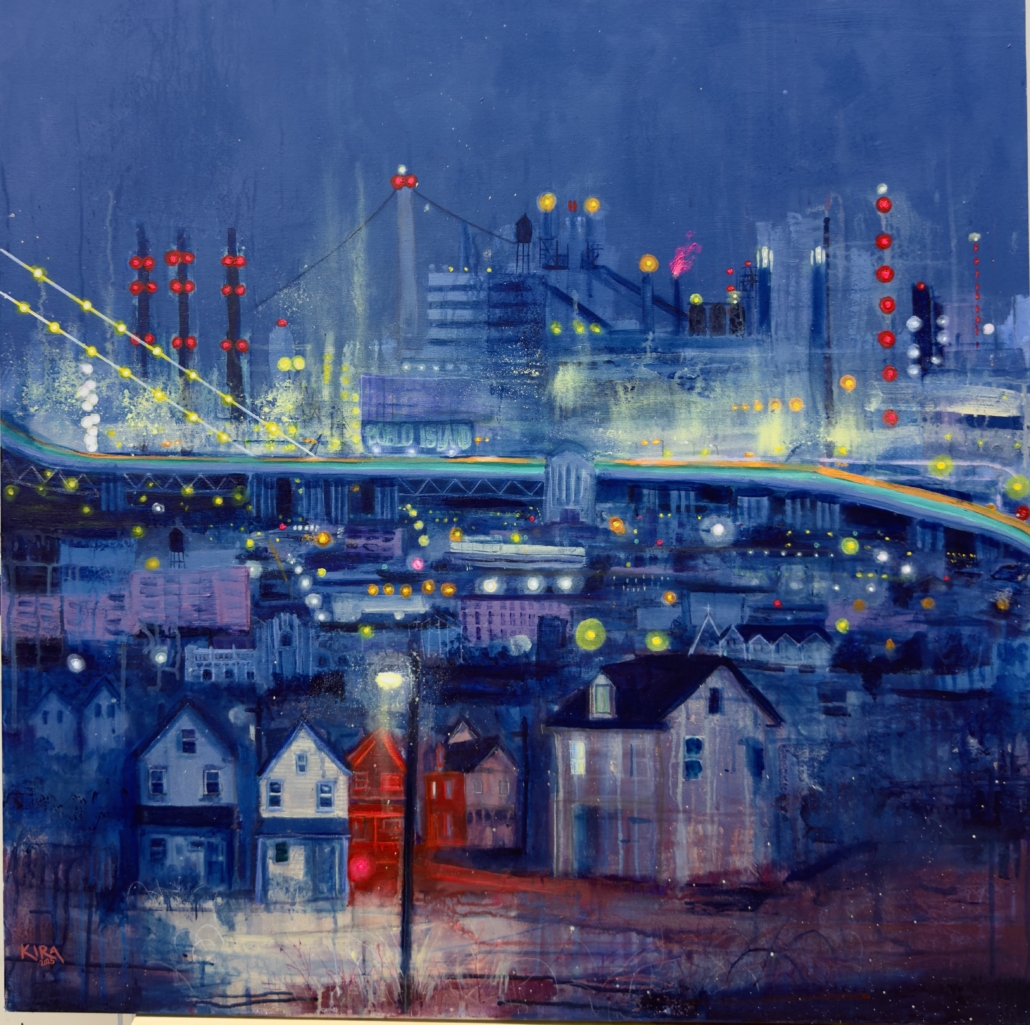
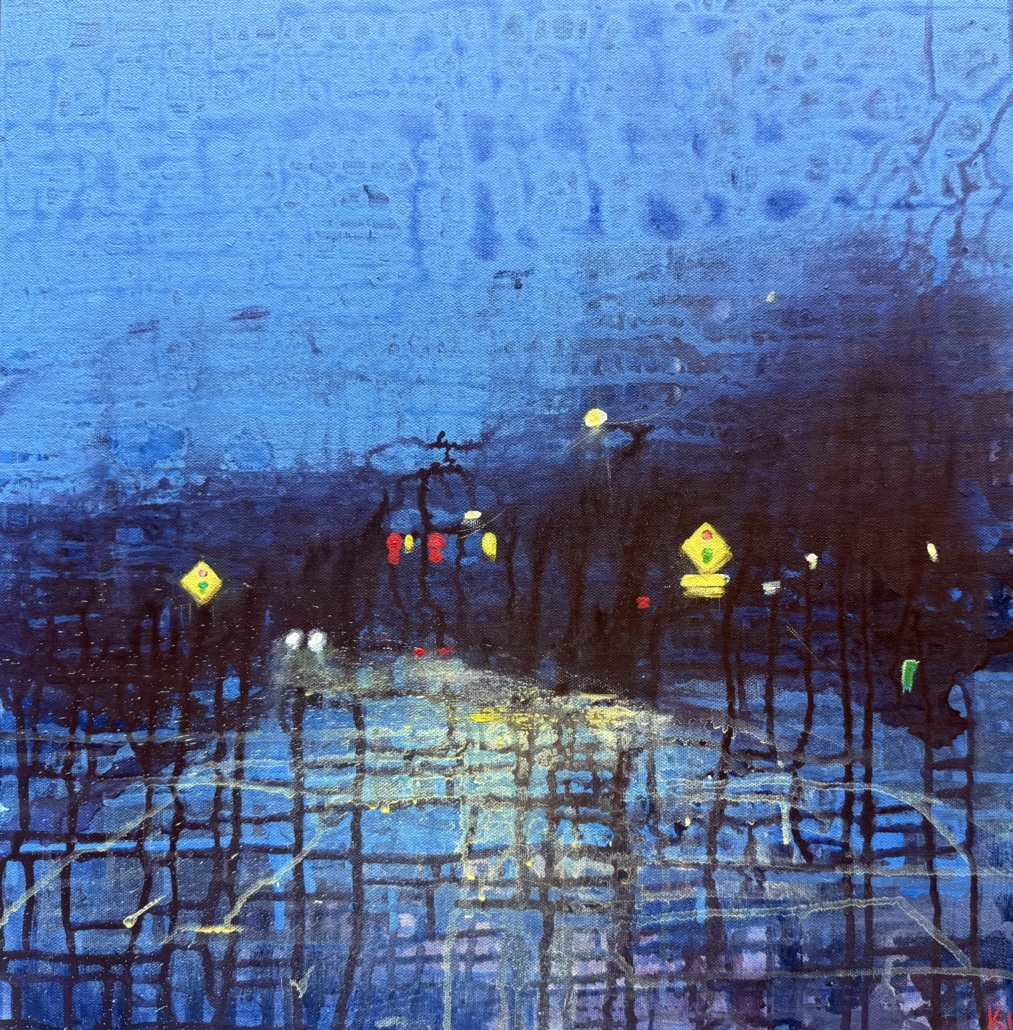
This series of paintings was inspired by the feeling of driving home after a long day. Coming home from the day’s activities, tired, warm, letting the scenery pass you by as if in a dream. Conceptually, the road represents our journey in life. The hero must face the path ahead and rise to meet any challenge in his path, yet after all the experiences that he gains from his journey, he has not truly won the battle until he returns home.

In the Studio:

This series used some techniques that I had not previously been employing on my canvas art, but was familiar from my work with watercolor. I have several spray bottles of water that I use in varying ways. I have a tiny bottle, which can put out a fine mist, leaving the paint mostly undisturbed. I have a large spray bottle for larger amounts of water output, or for creating a droplet effect, and I have a bottle with added wetting agent. Additionally I use squeeze bottles, droppers, and more to apply diluted paint to the canvas. I work in many, many layers. I add paint, sometimes selectively and sometimes allowing it to simply do what it will. This allows me to achieve a great deal of interesting texture and a sense of flow. The pigments in the mixed paint colors do not always behave the same way, occasionally creating striations and swirls of color as they dry.

Once I am satisfied with the background of the painting I spend time simply observing it. I look at the way the colors have created a burgeoning composition. Sometimes I do a sketch onto tracing paper, or sometimes I simply begin. I carefully observe the colors and details of the images I use for references, taking elements from several usually to create my final piece.

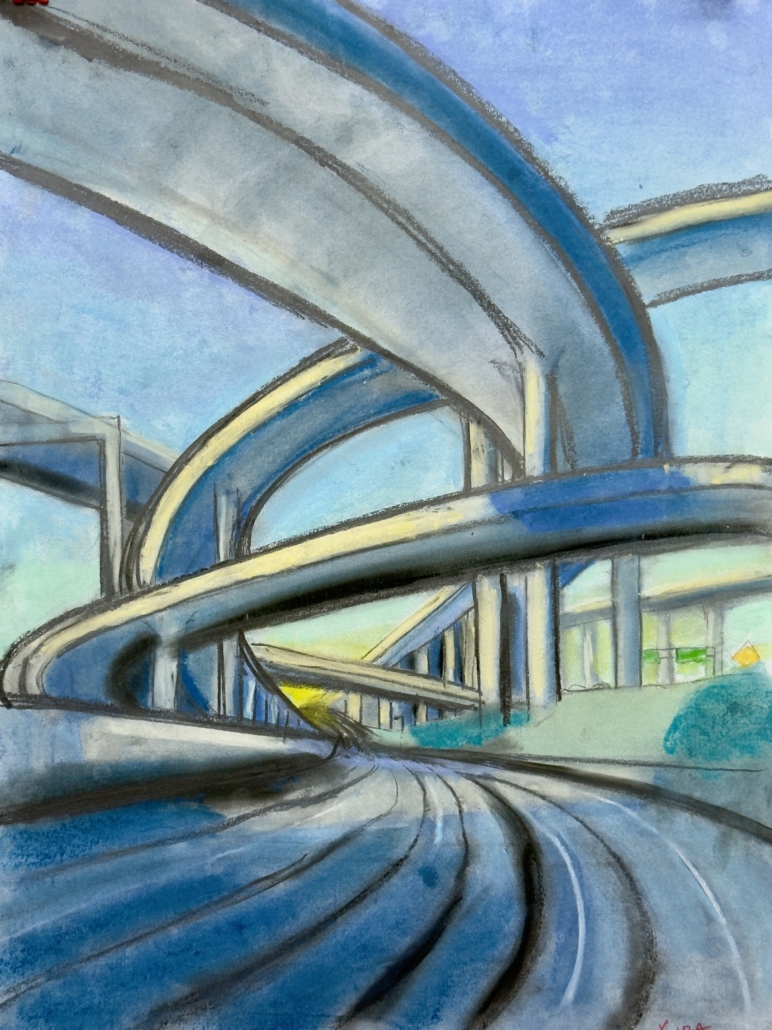
The Free Way, Pastel and graphite on paper 18×24”

The American Highway System and Its Artistic Legacy

The American highway system, a vast network of roads stretching across the nation, has long been more than a means of transportation. It is a symbol of progress, mobility, and the evolving American landscape. From the iconic Route 66 to the modern interstates, these highways have become powerful subjects for artists seeking to explore themes of industrialization, nostalgia, and cultural transformation.

Highways as a Canvas for Artistic Expression

The highways of America have inspired artists to reflect on the intersection of industry, nature, and society. The roadside, with its aging billboards, industrial ruins, and deserted motels, serves as a potent symbol of the country’s historical and cultural shifts. For many artists, these sites represent the beauty and decay of an industrialized America, offering a nuanced view of both progress and decline.

The industrial landscape of the Rust Belt, with its decaying factories and weathered infrastructure, is particularly evocative. Artists use these scenes to explore the contrast between human-made structures and the natural environment, often portraying a sense of nostalgia for a bygone era while confronting the harsh realities of urban decay.

Modern Artistic Interpretations

Today, artists continue to use the highway system as a metaphor for the passage of time and societal change. Acrylic paintings, photography, and mixed media works frequently focus on the texture of crumbling concrete, rusted metal, and overgrown landscapes, capturing the tension between the constructed world and the natural one. These pieces often address broader themes such as environmental impact, social transformation, and the evolution of American identity.

The visual language of the American highway—its expansiveness and wear—invites reflection on the country’s industrial past, while questioning its future trajectory. Through their work, artists challenge viewers to consider the consequences of rapid urbanization, the erosion of the natural world, and the fading allure of Americana.

The American highway system is more than just a network of roads; it is a canvas on which artists have chronicled the complexities of American life. From industrial decline to cultural nostalgia, the highways offer a rich landscape for creative exploration. As symbols of both progress and decay, they continue to inspire artists in their quest to capture the ever-evolving American experience. American highway system, industrial art, Rust Belt, American landscape, contemporary art, nostalgia, urban decay, highway art, Americana.

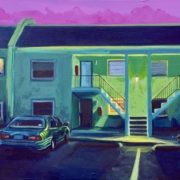
Spring Break (2025) 16×20” acrylic on canvas

Part of the Roadside series


This series examines overlooked icons of Americana such as corner stores, gas stations, and motels, treating them as sites of cultural residue and quiet transformation. These spaces, often transient and peripheral, occupy a liminal position within the American landscape. They exist between points of departure and arrival, functioning as thresholds where movement pauses and time feels suspended.

I use vivid, saturated color to heighten the emotional charge embedded in these seemingly mundane locations. The brightness resists nostalgia and instead presents these structures as active elements within an evolving visual language. They appear not as static relics but as living symbols that reflect both continuity and change.

By isolating and recontextualizing these spaces, I explore the tension between familiarity and estrangement. Each painting becomes a reflection on memory, place, and the subtle architecture of everyday life. In celebrating what is often dismissed as ordinary, the work encourages a reconsideration of the American vernacular and reveals the aesthetic value embedded in its most unassuming forms.

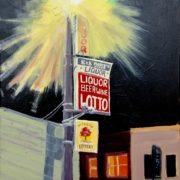
Liquo Store (2025) 16×20”, acrylic on canvas

Part of the Roadside Series


This series examines overlooked icons of Americana such as corner stores, gas stations, and motels, treating them as sites of cultural residue and quiet transformation. These spaces, often transient and peripheral, occupy a liminal position within the American landscape. They exist between points of departure and arrival, functioning as thresholds where movement pauses and time feels suspended.

I use vivid, saturated color to heighten the emotional charge embedded in these seemingly mundane locations. The brightness resists nostalgia and instead presents these structures as active elements within an evolving visual language. They appear not as static relics but as living symbols that reflect both continuity and change.

By isolating and recontextualizing these spaces, I explore the tension between familiarity and estrangement. Each painting becomes a reflection on memory, place, and the subtle architecture of everyday life. In celebrating what is often dismissed as ordinary, the work encourages a reconsideration of the American vernacular and reveals the aesthetic value embedded in its most unassuming forms.

Corner Store (2025) 10×10”, acrylic on canvas

Part of the Roadside Series

This series examines overlooked icons of Americana such as corner stores, gas stations, and motels, treating them as sites of cultural residue and quiet transformation. These spaces, often transient and peripheral, occupy a liminal position within the American landscape. They exist between points of departure and arrival, functioning as thresholds where movement pauses and time feels suspended.

I use vivid, saturated color to heighten the emotional charge embedded in these seemingly mundane locations. The brightness resists nostalgia and instead presents these structures as active elements within an evolving visual language. They appear not as static relics but as living symbols that reflect both continuity and change.

By isolating and recontextualizing these spaces, I explore the tension between familiarity and estrangement. Each painting becomes a reflection on memory, place, and the subtle architecture of everyday life. In celebrating what is often dismissed as ordinary, the work encourages a reconsideration of the American vernacular and reveals the aesthetic value embedded in its most unassuming forms.

.